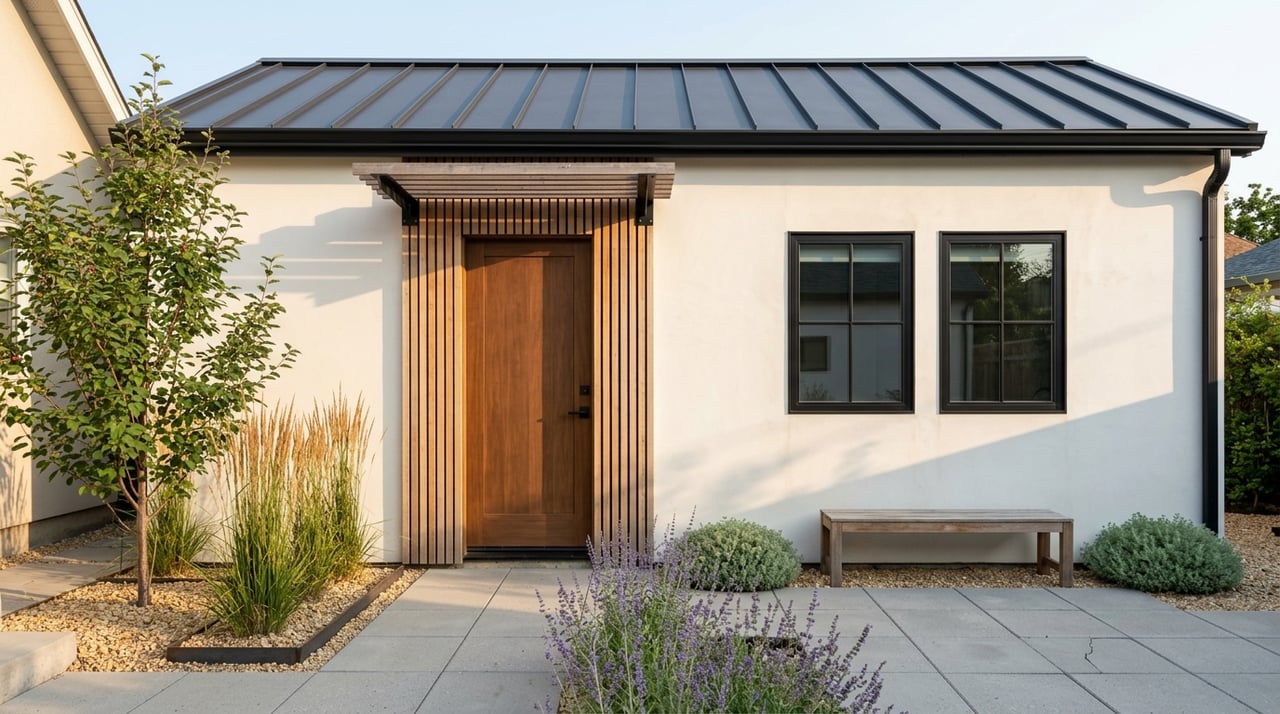
Wondering if you can actually make Denver homeownership more affordable by renting out part of your property? In a market where the median sale price was $635,000 through May 2026, finding a smart way to offset your monthly payment can feel less like a bonus and more like a necessity. The good news is that house hacking can work in Denver if you choose the right property, understand the rules, and run the numbers carefully. Let’s dive in.
Why house hacking matters in Denver
House hacking is simple in concept: you live in the property and rent out part of it to help cover your housing costs. In Denver, that idea gets attention because both home prices and rents are meaningful enough to move the math.
Redfin reported a Denver median sale price of $635,000 over the three months ending May 2026. Zillow reported an average Denver rent of $1,995 as of June 27, 2026, and HUD’s FY2026 fair market rents were $1,754 for a one-bedroom, $2,089 for a two-bedroom, $2,734 for a three-bedroom, and $3,049 for a four-bedroom. Those figures do not guarantee what a specific property will rent for, but they show why rental income can play a real role in affordability.
What house hacking can look like
In Denver, house hacking is not just about renting a spare bedroom. Depending on the property, it can also mean buying a duplex-style setup, using a legally permitted accessory dwelling unit, or exploring a home with a layout that supports owner-occupied rental income.
The key is that your plan has to match what the property legally allows. A great-looking setup on paper can fall apart quickly if zoning, permits, access, or owner-occupancy rules do not support your intended use.
Common Denver house-hack setups
- Renting out one or more bedrooms in your primary residence
- Buying a one-to-four-unit owner-occupied property
- Purchasing a duplex, row house, or townhouse form where the layout supports separate living areas
- Buying a home with an existing ADU
- Buying a property where an ADU may be possible under current zoning and permit rules
Financing is your first filter
For many buyers, the first realistic path into house hacking is owner-occupied financing. HUD says FHA down payments can be as low as 3.5%, and FHA is available on one-to-four-unit properties.
That said, HUD also states that FHA single-family programs are limited to owner-occupied principal residences. So if you are planning a Denver house hack, your financing strategy needs to start with the fact that you will be living there, not buying it purely as a non-owner investment.
Why financing changes the search
Your loan type can shape which properties make sense to pursue. A home that looks promising as a rental offset opportunity still needs to fit lender requirements, your down payment plan, and your monthly comfort level.
This is one reason house hacking is more than a trendy idea. It is a strategy that works best when the financing path and the property type line up from day one.
Denver ADU rules matter more than you think
Accessory dwelling units, or ADUs, are one of the most talked-about house-hack options in Denver. The city’s 2024 text amendment bundle became effective on February 25, 2025, and Denver’s citywide ADU effort was designed to expand ADUs across residential areas.
Under the current zoning code, in zone districts where ADUs are permitted with limitations, one ADU is allowed accessory to each primary dwelling unit containing a primary single-unit, two-unit, or multi-unit dwelling use. That creates real opportunity, but it does not mean every lot or every house is equally easy to use.
Important ADU limits in single-unit zones
If you are looking at a single-unit zone, Denver requires the owner to occupy the existing primary dwelling unit when the ADU permit is submitted. In those zones, ADUs may be attached or detached, with size caps of 864 square feet on lots up to 7,000 square feet and 1,000 square feet on larger lots.
That means lot size, layout, and your owner-occupancy plan all matter. It also means that a detached structure idea may be possible, but only if the property fits the city’s current standards.
Why duplexes deserve a closer look
For two-unit and multi-unit primary uses, detached ADUs must be in a detached accessory structure and are tied to duplex, row house, or townhouse forms. In practical terms, that makes duplexes and similar attached housing types especially worth studying if your goal is to live in one portion and rent another.
For many buyers, this is where Denver house hacking becomes most attractive. A property that already has a layout aligned with separate living areas can be easier to evaluate than a major future conversion.
Access and design can become deal breakers
Denver also places practical limits on detached ADUs. They generally cannot use a separate driveway except to create new alley access, and outside stairways cannot be on a street-facing façade.
The city also says mobile homes, recreational vehicles, and trailers cannot be used as ADUs. So if you are imagining a quick tiny-home solution in the backyard, that is not the path Denver code supports.
A second kitchen is not the same as a second unit
This is one area where buyers can get tripped up. Denver allows a second full kitchen accessory to a primary single-unit dwelling by zoning permit, but the owner must occupy the home as the primary residence and record an agreement with the city.
That rule should be viewed as an accessory-kitchen allowance, not a shortcut to creating an unpermitted second dwelling unit. If a listing hints at a separate setup, you still need to confirm exactly what is legal and what was permitted.
Permits and reviews can change the economics
If your house-hack plan depends on an addition or conversion, permit review becomes a major part of your budget and timeline. Denver reviews most private-property construction through its permit process, and the city adopted the 2025 Building and Fire Codes on June 13, 2025, with an effective date of December 31, 2025.
In plain terms, a property that needs work may cost more and take longer to activate than you first expect. That does not mean you should avoid value-add opportunities, but it does mean you should treat permitting as part of the investment analysis.
How to analyze a Denver property
The best Denver house hacks usually pass three tests: financing, zoning, and carrying cost. If one of those breaks, the whole strategy can become less attractive.
A smart review process starts with public data, then moves into lender, insurance, and tax conversations before you commit. That gives you a more realistic picture of what the property can do for you.
Start with assessor records
Denver Assessor records are a strong first stop because they include ownership information, legal description, property style, year built, bedrooms and baths, square footage, lot size, and zoning. The Assessor also says residential values are based on comparable sales studied over a 24-month period, and all real property is reappraised every two years in odd-numbered years.
That makes assessor data useful for understanding the property’s baseline characteristics and getting context for taxes. It is not the only tool you need, but it is one of the best starting points.
Confirm zoning before assuming anything
Before you assume an ADU, extra kitchen, or conversion is feasible, verify the zone district using Denver’s Development Services map. The city also notes that zoning permits are required for many projects.
Additional reviews can apply if the property is in a historic district or landmark, floodplain, design review district, or parkway area. Those extra layers can affect cost, timing, and even whether your plan is realistic.
Check floodplain and special review areas
Denver’s floodplain map is especially useful if you are considering a basement unit, an addition, or a detached structure. A property in the floodplain is not automatically a no, but it may require a more careful review before you assume the project is straightforward.
This is one of the friction points that can quietly change a deal. A home that seems like a strong house-hack candidate can look very different once site constraints enter the picture.
Use rent benchmarks the right way
A practical workflow is to compare citywide sale-price and rent signals with property-level facts. Redfin gives a current sale-price snapshot, Zillow gives an asking-rent snapshot, and HUD fair market rents provide gross-rent benchmarks by bedroom count.
Because those sources use different methods, they work best as reference points rather than exact rent comps. They help you pressure-test your assumptions, but they do not replace local property-specific analysis.
Costs that buyers often underestimate
House hacking is about more than the mortgage payment. Your true carrying cost includes taxes, insurance, maintenance, vacancy, and any upgrades needed to make the property usable the way you intend.
That is why the best candidates are often properties whose zoning, lot layout, and permit history already support the intended use. The fewer unknowns you have to solve after closing, the easier it is to build a plan around real numbers.
Common Denver friction points
- Historic or landmark review
- Floodplain review
- Alley or access constraints
- Unclear permit history
- A layout that suggests separate living space but is not legally established as a separate unit
- Upgrade costs tied to conversions or additions
What a strong Denver house hack usually has
In Denver, the strongest opportunities are often the least flashy. They tend to be properties where the legal use, physical layout, and monthly math already make sense before you start imagining major changes.
That could mean a duplex-style property, a home with an existing ADU, or a property where public records and zoning clearly support your plan. In a high-cost market, clarity often matters as much as creativity.
How The Colorado Agents approach this search
If you are exploring house hacking in Denver, you need more than a list of listings. You need a property-by-property review that looks at neighborhood fit, public records, practical rent potential, and the issues most likely to affect your timeline and budget.
That kind of analysis can help you avoid chasing properties that look exciting online but do not hold up under financing, zoning, or carrying-cost scrutiny. If you want help identifying Denver properties that fit a realistic house-hack strategy, connect with The Colorado Agents.
FAQs
What is house hacking in Denver real estate?
- House hacking in Denver usually means buying a home you will live in and renting out part of it, such as bedrooms, another unit in a one-to-four-unit property, or an ADU if the property legally allows it.
Can you use an FHA loan for a Denver house hack?
- HUD says FHA down payments can be as low as 3.5% on one-to-four-unit properties, and the program is limited to owner-occupied principal residences.
Are ADUs allowed for house hacking in Denver?
- Denver allows ADUs in certain zone districts with limitations, but the exact rules depend on the property’s zoning, lot conditions, owner-occupancy requirements, and permit path.
Does a second kitchen create a legal second unit in Denver?
- No. Denver allows a second full kitchen accessory to a primary single-unit dwelling by zoning permit under specific conditions, but that is not the same as creating a separate permitted dwelling unit.
What Denver records should you check before buying a house-hack property?
- Start with Denver Assessor records for property details and zoning context, then confirm the zone district and any special review issues through Denver’s Development Services tools and floodplain map.
What makes a Denver house-hack property risky?
- Common risks include unclear zoning, permit problems, floodplain issues, access constraints, historic or landmark review, and underestimating total carrying costs or upgrade expenses.