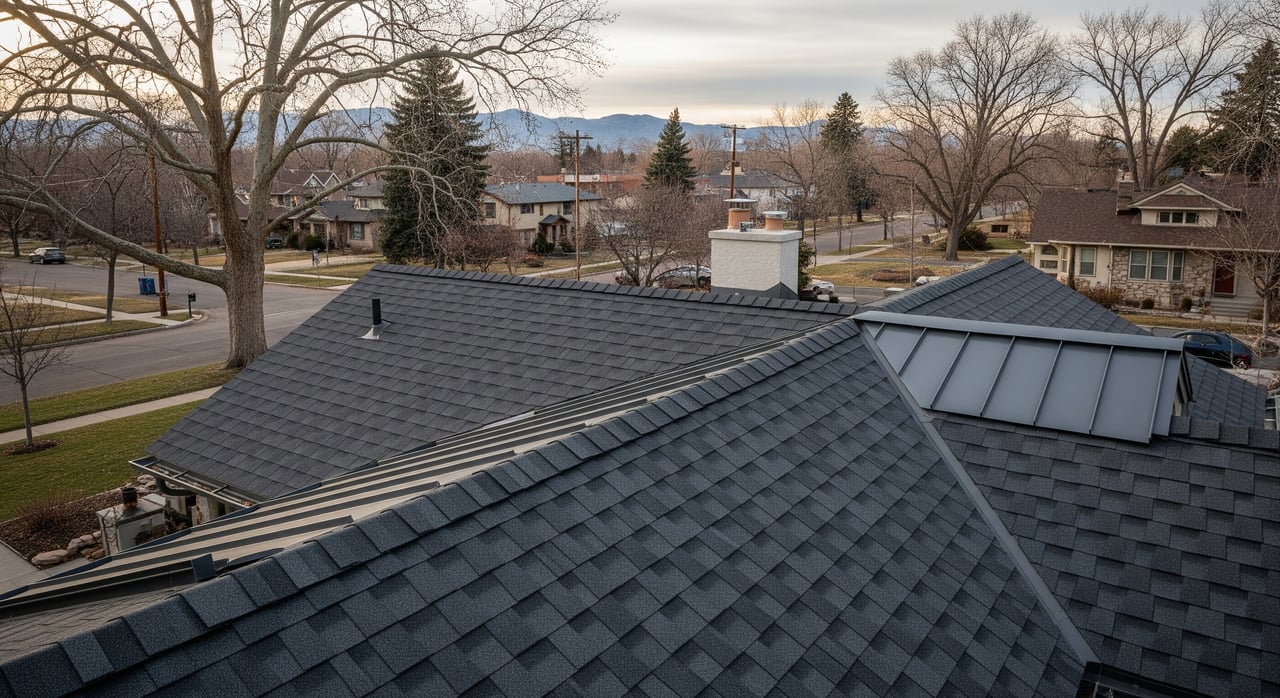
Hail season sneaks up fast in Platt Park. One spring storm can leave a roof peppered with dents and hidden bruises that turn into leaks months later. If you want to protect your home and keep future sale plans on track, a little maintenance and smart product choices go a long way.
In this guide, you’ll get a simple, local checklist to prepare your roof, understand impact‑resistant options, and navigate insurance with confidence. You’ll also learn what to do after a storm and how to document damage so you can move quickly. Let’s dive in.
Why hail readiness matters in Platt Park
Denver sits in a corridor known for frequent spring and summer hail. Peak season runs May through August, and storms can form quickly across the Front Range. For timely local advisories, follow the National Weather Service Denver/Boulder office. If you want to see how often hail has struck nearby, explore hail reports in the NOAA NCEI Storm Events database.
Platt Park also has unique exposures. Mature trees can drop limbs in high wind, downtown microclimates can intensify storm outflows, and winter freeze–thaw cycles stress shingles, flashing, and sealants. These factors make regular inspections and resilient materials especially useful.
What a hail‑ready roof includes
Asphalt shingles: Class 3 and Class 4
Impact‑resistant asphalt shingles are tested under UL 2218 and labeled Class 1 through Class 4. Class 4 is the highest impact classification. These shingles are engineered to resist the mechanical impact of simulated hail in lab tests. Real‑world performance still depends on roof slope, installation quality, and hail size, but Class 3 or Class 4 products are a practical upgrade for many single‑family homes. For background on the test, see UL’s summary of roof impact resistance and UL 2218.
Metal roofing: dent vs penetration
Metal roofs resist puncture well, and they do not lose granules like asphalt. Large hail can dent some panels, depending on the metal type, gauge, profile, and what is underneath. Heavier gauges and certain profiles tend to perform better. Discuss dent resistance and warranty details with your contractor before choosing a profile.
Synthetic and stone‑coated options
Some synthetic slate and shake, as well as stone‑coated metal systems, are designed for improved impact resistance. Check the product’s UL 2218 classification, manufacturer technical data, and warranty limitations. Not all synthetics perform the same.
Underlayment and ice & water shield
Underlayments act as a secondary water barrier if hail compromises the surface layer. Modern synthetic underlayments are tougher and more tear‑resistant than felt. Self‑adhering ice & water membranes at eaves, valleys, and roof penetrations reduce leak risk during freeze–thaw cycles and after localized hail damage.
Flashing, vents, and penetrations
Flashing is a common leak source after hail. Make sure chimney, skylight, and wall flashings are corrosion‑resistant and properly integrated. Vents and caps should be secured and sealed. Even if shingles hold up, damaged flashing can let water in.
Ventilation and attic control
Balanced attic ventilation helps reduce heat buildup and thermal cycling, which ages shingles faster and can lead to brittle failure. Proper intake at soffits and exhaust at ridge or box vents is key. Follow International Residential Code guidance and the shingle manufacturer’s ventilation specs rather than one‑size‑fits‑all rules.
Maintenance timeline for Platt Park
Before storm season
- Trim back branches and remove dead limbs overhanging the roof.
- Clean gutters and downspouts so they can move heavy spring runoff.
- If your last professional inspection was more than 12 months ago, schedule one now.
- Confirm there is ice & water shield at eaves and valleys if you have had prior ice‑dam or leak issues.
- Make sure soffit intake and ridge or box vents are clear to maintain balanced airflow.
After any hailstorm
- Walk your property and photograph visible damage. Look for granules in gutters, dented vents, and downspout dings.
- Check the attic for damp spots, water stains, or daylight at seams.
- If you suspect damage, contact your insurer to report a potential loss and line up a professional roof inspection.
- If there is an active leak, use reputable roofers for temporary tarping and keep all receipts.
Annual upkeep
- Clean gutters at least twice per year.
- Replace failed sealants at flashing and penetrations.
- Keep a dated file with photos, inspection reports, receipts, and warranty documents.
When to call a pro
In hail‑prone areas like Denver, get a professional roof inspection every 1 to 2 years, and immediately after a storm you suspect caused damage. A pro will check shingle fractures, adhesion, nail pops, flashing, underlayment at critical areas, and ventilation balance. Coordinate the inspection with your insurer if you plan to file a claim.
Insurance prep and claims tips
Hail claims are common in Colorado, and policy details matter. The Colorado Division of Insurance offers consumer guidance on homeowners coverage. Start by organizing your documents and asking clear questions before storm season.
Key questions to ask your insurer
- Do you have a separate wind or hail deductible, and is it a flat dollar amount or a percentage of your dwelling limit?
- Does your policy distinguish between cosmetic and functional damage on roofs? How does that affect coverage?
- Is roofing covered at replacement cost or actual cash value? Are there age‑related limitations or deferred replacement clauses?
- Are there premium discounts for UL 2218 Class 3 or Class 4 shingles, certain metal systems, or IBHS FORTIFIED standards?
- What documentation does the adjuster require, and can your contractor attend the adjuster inspection?
- How could repeated hail claims affect renewal in this market?
What to document now
- Roof age, installation date, product make and model, and any warranty paperwork.
- Proof your installer was certified by the manufacturer, if applicable.
- Your maintenance and inspection history, with date‑stamped photos of the roof in good condition before storm season.
Replacement choices and cost‑return
Impact‑resistant options
- Class 3 and Class 4 asphalt shingles often deliver the best cost‑to‑resilience tradeoff for many homes. Ask for the UL 2218 classification.
- Metal roofing offers strong puncture resistance and long life. Discuss dent resistance, panel gauge, and profile tradeoffs with a contractor.
- Synthetic slate or shake and stone‑coated metal can perform well but vary in cost and weight. Review lab results and warranty terms.
- Upgrading to synthetic underlayment and adding ice & water membrane at eaves, valleys, and penetrations is a high‑value improvement that limits leaks if hail compromises the surface.
Impact‑resistant roofs often come with higher upfront costs but can reduce the risk of frequent claims. Some insurers offer discounts for UL 2218 Class 3 or Class 4 materials. Confirm specifics with your carrier before you replace the roof.
Installation quality and warranties
Even the best materials underperform if installed poorly. Use installers who are certified by the manufacturer to protect warranties and maximize performance. Follow manufacturer ventilation and fastening instructions. If you are pursuing resilience credits, consult the Insurance Institute for Business & Home Safety about hail research and the FORTIFIED Roof program.
Common mistakes to avoid
- Waiting until you see an interior leak. Hail damage is often subtle at first.
- Skipping attic checks. Water stains and soft sheathing can appear before exterior clues.
- Relying on one estimate. Obtain 2 to 3 written bids from licensed roofers.
- Ignoring ventilation. Poor airflow shortens shingle life and can worsen winter issues.
- Assuming all metal roofs are dent‑resistant. Discuss gauge, profile, and warranty details up front.
Local storm awareness resources
- For day‑of severe weather outlooks and mesoscale discussions, check the NOAA Storm Prediction Center.
- For local warnings and post‑storm summaries, use the National Weather Service Denver/Boulder office.
- To review historical hail activity around your address, explore the NOAA NCEI Storm Events database.
Next steps
If your roof has not been inspected in the last year, schedule a professional review before peak hail season. Ask about UL 2218 Class 3 or Class 4 options, confirm ventilation and underlayment upgrades, and organize your insurance documents now so you can act quickly after a storm.
Ready to make a plan for your Platt Park home? Reach out to Unknown Company to connect with trusted local contractors, prepare for hail season, and protect your long‑term home value.
FAQs
How to spot hail damage if shingles look intact
- Look for granules in gutters, dented metal vents or downspouts, dark spots or bruising on shingles, and attic water stains. Photograph everything and schedule a professional inspection.
What UL Class 4 means for hail protection
- UL 2218 Class 4 is the highest lab impact rating for roofing materials, indicating better resistance to simulated hail impacts. Real performance depends on product, installation, and hail size.
How Denver insurers handle cosmetic vs functional hail damage
- Policies vary. Some limit coverage for cosmetic dents that do not impair function. Ask your carrier how cosmetic damage is treated and whether your roof is covered at replacement cost or actual cash value.
How often to get a roof inspection in Denver
- In hail‑prone areas, schedule a professional inspection every 1 to 2 years and after any storm you suspect caused damage.
Best roofing for both hail and snow in Platt Park
- Class 3 or Class 4 shingles with synthetic underlayment and ice & water shield are a practical choice. Metal and certain synthetics perform well too. Balance impact rating, ventilation, and installation quality.
How to document hail damage for a claim
- Take date‑stamped photos of all affected areas, save damaged materials if safe, get written inspection reports and at least two estimates, and keep receipts for emergency tarping or repairs.