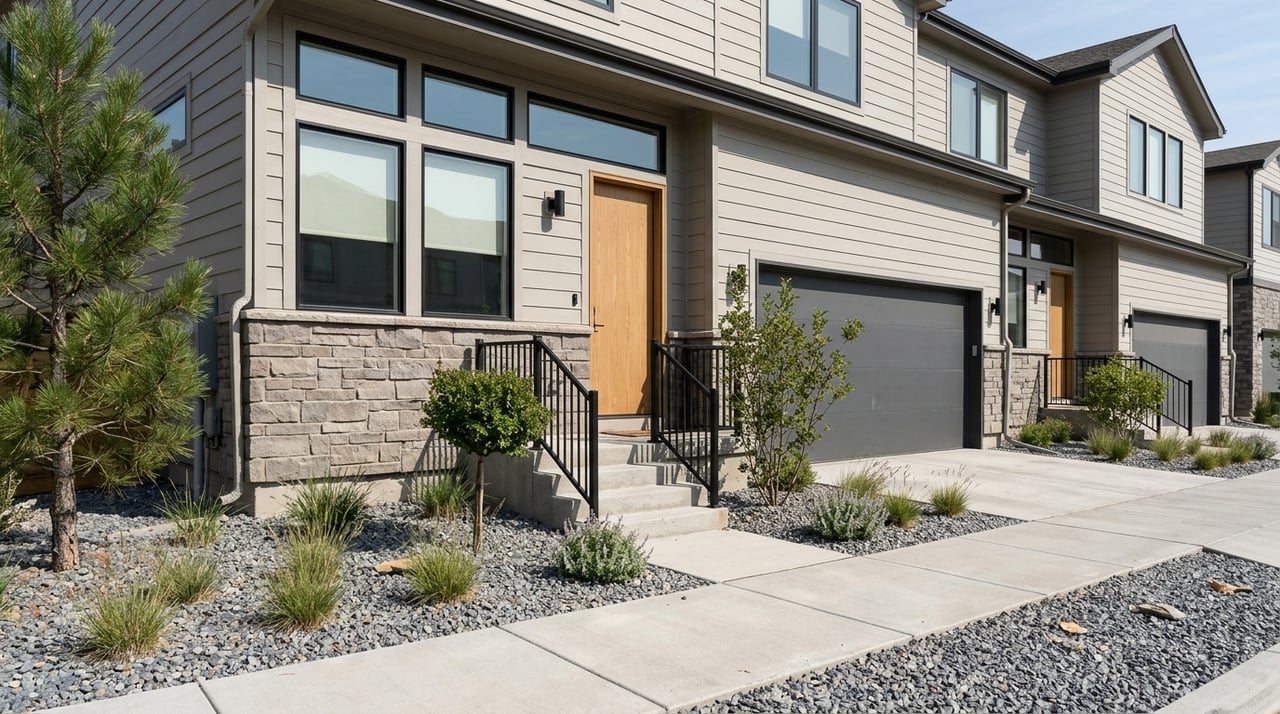
Trying to choose between a condo, townhome, or house in Westminster? That decision can shape your budget, your monthly upkeep, and how you live day to day. If you want a clear way to compare your options in this competitive market, this guide will help you weigh price, space, maintenance, and lifestyle so you can focus on the home that fits you best. Let’s dive in.
Westminster price differences
If you are starting with budget, Westminster currently shows a clear price ladder. Market data points to citywide home values and sale prices generally landing in the low-to-mid $500,000s, and homes are moving quickly, with about three offers on average and roughly 17 days on market.
Attached homes usually sit below detached houses on price. Current Westminster condo listings show a median listing price around $297,000, while townhomes show a median listing price around $473,000. Detached houses sit higher overall, with examples ranging from about $510,000 to well over $1 million.
That makes the simplest shorthand very useful: condo for the lowest entry price, townhome for the middle ground, and house for the most space and autonomy. In a competitive market like Westminster, knowing where you fit on that ladder can save you time and narrow your search faster.
Condo in Westminster
A condo is often the easiest way to buy into Westminster at a lower price point. Current examples show condos commonly around 1,000 to 1,700 square feet, which can work well if you want manageable space without the larger price tag of a detached home.
For many buyers, the biggest draw is reduced exterior maintenance. Under Colorado common-interest-community rules, the association is generally responsible for maintaining, repairing, and replacing common elements, while you are usually responsible for your unit unless the declaration says otherwise.
That setup can be a strong fit if you want a lock-and-leave lifestyle, expect to travel, or simply do not want to spend your weekends on yard work. In Westminster, that can pair nicely with the city’s regional access, including RTD bus and rail service, the B Line to Union Station, and the Flatiron Flyer corridor to Boulder.
When a condo makes sense
A condo may be the best fit if you want:
- A lower entry price than most townhomes or houses
- Less day-to-day exterior upkeep
- A more lock-and-leave ownership style
- Access to Westminster without stretching your budget as far
What to check with a condo HOA
Before you move forward on a condo, look closely at what the HOA actually covers. In Colorado, associations must maintain insurance on common elements and carry commercial general liability insurance tied to common elements, but the practical details still come down to the governing documents.
Ask for these items before or during your review period:
- HOA budget
- Most recent reserve study, if available
- Insurance documents
- Governing documents that explain owner versus association responsibilities
Those documents help you judge whether the monthly dues line up with the maintenance and protection you are actually getting.
Townhome in Westminster
A townhome often lands in the middle on both price and lifestyle. Current Westminster examples suggest townhomes commonly range around 1,000 to 2,000 square feet, which can give you more room than many condos without jumping all the way to detached-home pricing.
This option tends to appeal to buyers who want more privacy and a little more separation, but still want less upkeep than a house. If that sounds like your sweet spot, a townhome can offer a practical balance between cost, comfort, and maintenance.
The key caution with townhomes is that the maintenance split can vary more than people expect. Roofs, siding, landscaping, and snow removal may be handled by the HOA, the owner, or split in different ways depending on the declaration.
When a townhome makes sense
A townhome may fit you best if you want:
- More space than a typical condo
- A price point below many detached houses
- Some HOA support with maintenance
- A balance between privacy and convenience
Why townhome documents matter so much
With a townhome, do not assume the HOA handles the same items one community over. One development may cover exterior maintenance, while another may leave more of that responsibility to you.
That is why document review matters so much. You want to know exactly who handles the roof, exterior walls, shared drives, landscaping, snow removal, and insurance obligations before you make an offer or waive any contingencies.
House in Westminster
If space, privacy, and flexibility are top priorities, a detached house is usually the strongest fit. Westminster house examples commonly run much larger than attached homes, with sample sizes roughly around 1,850 to 3,700 or more square feet.
A house also gives you the most direct control over your property. If you want yard space, more storage, greater privacy, or more freedom to customize, detached ownership usually checks those boxes better than a condo or townhome.
The tradeoff is cost and upkeep. Detached homes in Westminster generally sit above attached-home medians, and you are usually taking on more direct responsibility for exterior repairs, yard work, and routine maintenance.
When a house makes sense
A detached house may be the best option if you want:
- More interior and exterior space
- Greater privacy
- More control over maintenance and customization
- Long-term flexibility for changing needs
What to expect with house upkeep
Even if a detached home sits in an HOA, the shared-element burden is typically lighter than with a condo or townhome. In practical terms, that often means more freedom, but also more responsibility.
If you are considering a house, think honestly about your time, budget, and tolerance for repairs. The right home is not just the one you can buy. It is the one you can comfortably maintain.
Westminster lifestyle factors
Your decision is not only about the property type. It is also about how you want to live in Westminster.
The city highlights 126 miles of trails, more than 3,700 acres of open space, and three off-leash dog areas. Westminster also offers strong regional access to both Denver and Boulder, which can matter if your work, family, or routines take you across the metro.
At the same time, Westminster is considered minimally walkable, with a Walk Score of 35. That can make car access, commute patterns, and proximity to transit more important when you compare one home type or location to another.
Matching home type to your lifestyle
Think about how each option supports your routine:
- Condo: best if you want lower maintenance and simpler ownership
- Townhome: best if you want a practical middle ground
- House: best if you want more room, privacy, and control
There is no universal winner. The right answer depends on how you want to spend your money, your time, and your weekends.
Questions to answer first
Before you tour homes in Westminster, get clear on four big decision points. These can help you avoid falling for the wrong property type too early.
What is your budget ceiling?
Start with your full comfort range, not just the top number a lender might approve. In Westminster’s competitive market, a realistic budget helps you focus on homes you can pursue confidently.
What monthly cost works for you?
Look beyond the purchase price. HOA dues, insurance, taxes, and maintenance all affect your monthly carrying cost, and those costs can vary quite a bit between condos, townhomes, and houses.
How much maintenance do you want?
Some buyers love having a yard and handling projects. Others want as little exterior responsibility as possible. Be honest here, because this factor often matters just as much as price.
How much space do you need?
Current listing examples suggest a rough size ladder in Westminster:
- Condos: about 1,000 to 1,700 square feet
- Townhomes: about 1,000 to 2,000 square feet
- Houses: about 1,850 to 3,700+ square feet
If your space needs are firm, that alone may point you toward one option faster than anything else.
A simple way to decide
If you want the shortest possible version, here it is. Choose a condo if your priority is a lower entry price and less exterior upkeep. Choose a townhome if you want a middle ground on price, space, and maintenance. Choose a house if you want the most room, privacy, and independence.
In Westminster, that framework lines up well with today’s market. The attached-home categories typically create a more affordable path in, while detached houses offer more space and flexibility at a higher price point.
The best move is to compare these options through your own lens. Your ideal home is the one that fits your finances, your daily routine, and your long-term plans, not just the one that looks best online.
If you want help narrowing down the right fit in Westminster, the team at The Colorado Agents can help you compare options, understand the numbers, and move forward with confidence.
FAQs
What is the cheapest home type in Westminster?
- In current Westminster listings, condos have the lowest median listing price at about $297,000, which is below townhomes and detached houses.
What is the difference between a Westminster condo and townhome?
- A Westminster condo usually offers a lower price and more HOA-managed common elements, while a townhome often gives you more space and privacy but can have a more variable maintenance split.
Are townhomes in Westminster lower maintenance than houses?
- Often yes, but the exact maintenance responsibilities depend on the HOA declaration and governing documents for that specific community.
Do Westminster condos and townhomes have HOA fees?
- Many do, and buyers should review the HOA budget, reserve study if available, insurance documents, and governing documents to see what those dues actually cover.
Is Westminster a good fit for buyers who commute?
- Westminster offers access to metro Denver and Boulder, along with RTD bus and rail service, the B Line commuter rail to Union Station, and the Flatiron Flyer corridor to Boulder.
How do I choose between a condo, townhome, and house in Westminster?
- Start with your budget ceiling, monthly carrying cost, maintenance tolerance, and space needs, then compare each home type against those four factors.