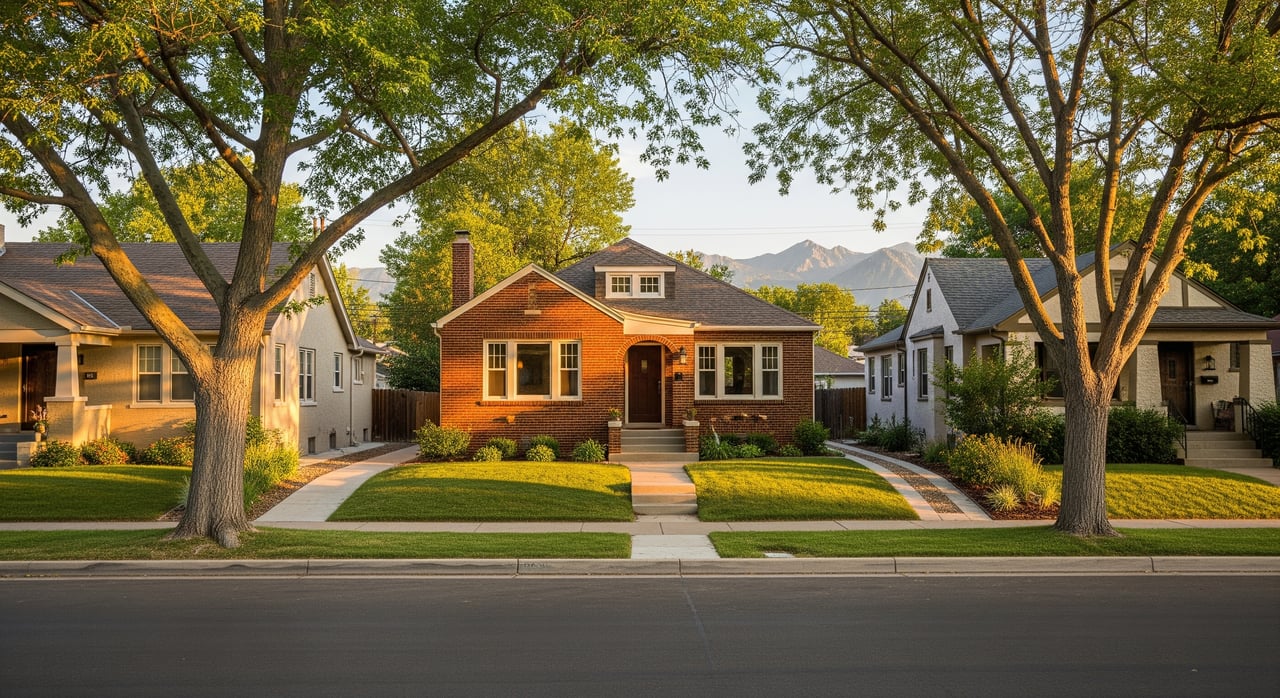
Trying to buy your first home near Denver without blowing your budget? Englewood might be your best move. You get shorter commutes, solid transit options, and more entry-level homes than many Denver neighborhoods. In this guide, you will learn where to look in Englewood, what types of homes to expect, and the trade-offs to consider so you can buy with confidence. Let’s dive in.
Why Englewood works for first-time buyers
Englewood sits just south of Denver, so you benefit from quick access to downtown, I-25, and job centers along the corridor. You also have RTD bus and rail service in key areas, which helps if you prefer to commute without relying on your car every day.
Starter inventory here tends to be condos and townhomes, duplexes and small multi-units, plus modest single-family homes from the 1940s through the 1970s. Newer townhomes and infill projects appear near transit and commercial corridors, which can add modern options at a higher price per square foot.
You will find a range of choices: attached homes for the most affordability, older bungalows and ranches for a detached option with a yard, and newer infill homes if you want modern systems and finishes. The right fit depends on how you balance space, maintenance, and location.
How to shop starter homes here
Start by mapping your priorities: commute time, walkability, low maintenance, or yard and privacy. In Englewood, the most walkable and transit-rich areas often mean smaller homes and less outdoor space. Larger lots and more detached options are usually a bit farther from the core.
Total monthly cost matters. Factor mortgage, property taxes, HOA dues if applicable, insurance, and a repair budget. For older homes, give extra attention to roof, HVAC, windows, electrical, plumbing, and drainage during inspections.
If you are considering a condo or townhome, review HOA budgets, reserve studies, meeting minutes, and rules on parking or rentals. For areas with active redevelopment, check local zoning and planning documents to understand potential future changes on the block.
Best starter-home areas in Englewood
Downtown Englewood and City Center
This central core is your best bet for walkability and transit. You will see a mix of mid-century single-family homes near the civic center plus a wide range of condos, townhomes, and small multi-unit buildings. Newer infill has increased options for low-maintenance living.
What to expect:
- Home types: condos and townhomes dominate entry-level choices, with some older, smaller detached homes nearby.
- Age and lots: many homes from the mid-20th century, smaller lots close to the core.
- Parking and HOA: frequent HOAs in attached communities, and some buildings rely on structured or on-street parking.
Pros:
- Excellent access to shops, restaurants, city services, and transit.
- Short commutes to central Denver and quick routes to I-25.
Trade-offs:
- Smaller interior spaces are common, and outdoor space can be limited.
- Expect HOA dues for many properties, and occasional noise near commercial corridors.
Best for: buyers who want walkable convenience, transit access, and low-maintenance living.
Broadway and Belleview corridor
Set behind the east-west commercial spine, this area blends older single-family homes with duplexes, small apartment buildings, and newer townhome infill on busier streets. It can offer a good balance of access and relative affordability.
What to expect:
- Home types: entry-friendly condos and duplexes, with modest detached homes on nearby residential blocks.
- Age and lots: older homes with smaller lots and variable curb appeal block to block.
- Parking and HOA: many detached homes have driveways or garages, while attached options may include assigned parking and HOAs.
Pros:
- Strong bus service along Broadway and easy access to nearby light-rail stations.
- Direct routes north to Denver and south to job centers.
Trade-offs:
- Traffic and noise near busy streets.
- Quality and condition can vary, so close comp reviews and inspections matter.
Best for: buyers who value arterial access and amenities, and can accept some street activity for a lower entry point.
West and Hampden edge near the Littleton border
On the southwest side, you will find mostly single-family homes from the mid-20th century with a bit more yard space than the core. It is a strong path to a detached starter home if you are comfortable with a short drive to transit or retail hubs.
What to expect:
- Home types: detached ranches and bungalows, with renovation potential.
- Age and lots: mid-century builds on slightly larger lots.
- Parking and HOA: garages and driveways are common, with fewer HOAs.
Pros:
- Quieter residential streets and more outdoor space.
- Reasonable access to I-25 and US-285 for commutes.
Trade-offs:
- Fewer walkable retail nodes than downtown.
- You may need to update systems or finishes in older homes.
Best for: buyers who want a yard and a detached home without moving far from Denver.
South Englewood near Cherry Creek and parks
This area mixes modest single-family homes with small townhome clusters and offers quick access to parks and trails. It is appealing if you want active outdoors space nearby and are open to older homes that may need modernization.
What to expect:
- Home types: single-family homes in the entry to mid tier, plus townhomes and some condos in the most affordable segment.
- Age and lots: older inventory near greenways and parks with varied lot sizes.
- Parking and HOA: detached homes often include garages or driveways; townhomes and condos include HOAs.
Pros:
- Lifestyle value from nearby parks and trails.
- Convenient driving access to central Denver and southern employment areas.
Trade-offs:
- Fewer immediate retail corridors.
- Some homes may require updates to systems or interiors.
Best for: buyers who prioritize outdoor access and do not mind a short drive for shopping and transit.
Edges near Littleton and Lakewood borders
Along the edges of Englewood, you can sometimes find the most affordable detached options. Prices may be lower than the center because of greater distance to transit and retail, but the commute to Denver is still manageable given the metro’s short regional distances.
What to expect:
- Home types: older single-family homes and occasional small multifamily properties.
- Age and lots: older builds, sometimes on larger lots than the core.
- Parking and HOA: many homes include garages or off-street parking, fewer HOAs.
Pros:
- Lower entry price for a detached home.
- Potential for more square footage and yard.
Trade-offs:
- Fewer transit options and longer walks to amenities.
- Resale can be slower if the block is far from transit and retail.
Best for: buyers who want more space and a yard, and are comfortable driving for daily needs.
Key trade-offs to weigh
- Space vs. proximity: Closer to downtown and transit usually means smaller spaces and fewer private yards. Farther out often brings more house and lot.
- Maintenance vs. price: Condos and townhomes can have lower purchase prices and exterior maintenance handled by the HOA, but dues and special assessments affect your monthly costs.
- Old vs. new: Older detached homes offer more space for the price but can need system updates. Newer infill townhomes offer modern finishes, usually at a higher price per square foot and with smaller lots.
Budget and cost planning
- HOA dues: Understand what dues cover, including exterior maintenance, reserves, and insurance. Ask about any current or upcoming special assessments.
- Taxes and districts: Verify property tax rates with county records and note any special districts that add to annual costs.
- Insurance and flood risk: If you are near waterways such as the Cherry Creek area, review flood maps and price insurance accordingly.
- Inspection focus: For older homes, pay close attention to foundation, roof, plumbing, electrical, windows, and drainage. For condos, request HOA budgets, reserve studies, insurance certificates, and meeting minutes.
Quick buyer checklist
- Set your top three priorities: commute, walkability, yard, or monthly cost.
- Choose your product path: attached home for lower entry price and less maintenance, or older detached home for space and a yard.
- Focus your search by micro-area: start with Downtown and Broadway for transit access, or West and border areas for detached value.
- Build a true monthly budget: include mortgage, taxes, HOA dues, insurance, utilities, and a repair set-aside.
- Plan due diligence: schedule inspections, pull full HOA documents, and review local planning for any redevelopment impacts.
Next steps
Englewood gives you real choices for a starter home near Denver. If you want walkability and transit, start with the Downtown and Broadway corridors. If you want a yard and a detached home, explore the West/Hampden edge and border pockets. Once you define your trade-offs, you can move quickly when the right home hits the market.
Need a local plan tailored to your budget and commute? Connect with The Colorado Agents for on-the-ground guidance, micro-area insights, and a step-by-step path from first tour to closing.
FAQs
Can I find a detached starter home in Englewood?
- Yes. Older bungalows and ranch homes are the main path to a detached starter, often with smaller lots and potential renovation needs.
Are condos and townhomes the most affordable route in Englewood?
- Often yes. Attached homes near downtown and transit usually offer the most entry-level inventory, but factor HOA dues and rules into your monthly budget.
How are commutes to downtown Denver from Englewood?
- Generally short compared with outer suburbs, thanks to direct arterials and RTD service. Exact times vary by block and time of day.
Where should I look for walkable, transit-oriented living in Englewood?
- Focus on the Downtown Englewood and Broadway and Belleview corridors, which offer the strongest mix of shops, services, and transit access.
What should first-time buyers prioritize in Englewood?
- Prioritize total monthly cost, proximity to transit or parks if that matters, and potential renovation expenses. Consider long-term resale near transit and amenities.
How do school boundaries work in Englewood?
- School assignments vary by address. If schools are a factor, research specific assignments and available performance data before you write an offer.